
Embracing artificial intelligence (AI) is essential for boosting the financial strength of Saudi SMEs and aligns with the Kingdom’s Vision 2030 objectives. With AI, small and medium enterprises (SMEs) can optimize operations, enhance decision-making, and aim for sustainable growth. This article explores strategic uses of AI in financial planning for SMEs, outlines practical steps for integration, and highlights success stories from Saudi businesses. As the Kingdom targets an expanded SME contribution to GDP under Vision 2030, sectors such as retail, manufacturing, logistics, and tourism are rapidly modernizing their financial processes. In this context, AI is not just a technology upgrade; it is a practical lever for better treasury management, faster budgeting cycles, higher forecasting accuracy, and more resilient cash positions. The following guidance focuses on what works in Saudi market conditions, considering local regulations, available financing programs, and the evolving fintech ecosystem.
Advantages of AI in Financial Consulting for SMEs
AI offers significant benefits for SMEs by enhancing financial decision-making and operational efficiency. Advantages include real-time data analysis, improved risk management, and automation of routine tasks. It can swiftly and accurately handle large volumes of financial data, helping businesses identify trends and irregularities that traditional methods might overlook. In practice, this means finance teams can move from reactive reporting to proactive insights—such as automated alerts on unusual spending patterns, early detection of duplicate invoices, and timely identification of customers likely to pay late. AI also supports more precise forecasting by detecting seasonality and market signals that manual models miss, which improves confidence in planning and capital allocation.

Incorporating AI can greatly cut down the time needed to manage financial operations. For instance, AI-powered accounting software can automate transaction processing and provide insights on cash flow and overall financial health. With quicker visibility, SMEs can modify strategies promptly as markets shift, enhancing resilience to economic changes. Accounts payable and receivable workflows benefit from intelligent data capture, smart matching, and automated reconciliation, trimming hours from monthly closes and reducing errors. Over time, these efficiencies compound: faster closings mean leadership gets timely dashboards, lenders see more reliable statements, and managers can reassign staff from manual data entry to higher-value analysis and vendor or customer engagement.
Practical Steps for AI Integration in Financial Planning
Introducing AI into financial planning works best with a phased, practical approach. Key steps include: starting with one or two high-impact use cases, validating value through a short pilot, and then expanding once benefits are proven. Prioritize initiatives based on business value, data readiness, and implementation complexity to ensure momentum and early wins that build trust.
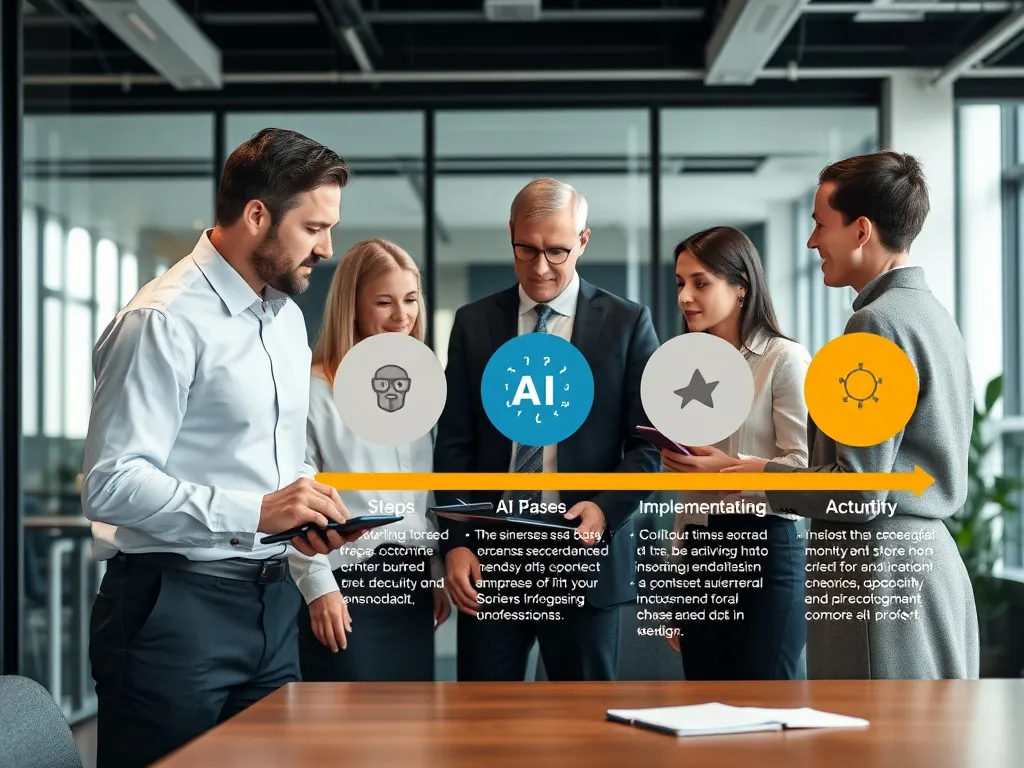
- Assessment of Current Systems: Begin by reviewing current financial systems and identifying where AI can offer meaningful enhancements. This involves clarifying issues and setting clear goals for AI integration. Map out pain points—such as slow reconciliation, limited visibility into cash positions, or inconsistent collections—and define success metrics like forecast accuracy, time-to-close, or reduction in overdue receivables. Engage cross-functional stakeholders from finance, IT, compliance, and operations to create a realistic baseline of processes and data sources. An inventory of existing software, data quality levels, and integration capabilities will indicate where AI can be layered without disrupting core operations.
- Choosing the Right AI Tools: There are various AI tools available, from learning algorithms for trend forecasting to automated reporting tools. SMEs should choose tools that match their specific financial needs and capabilities. Consider categories such as predictive forecasting, accounts payable automation with OCR, receivables and collections prioritization, spend analytics, and intelligent reporting assistants. Evaluate whether cloud or on-premise deployment better meets security and cost needs, and verify support for Arabic and English interfaces to serve diverse teams. Ensure the tool integrates with your ERP or accounting system and offers clear service-level commitments, a transparent product roadmap, and references from similar Saudi or GCC deployments.
- Data Preparation and Management: AI performs best with high-quality data. SMEs must ensure their data is accurate, clean, and complete, which may require revamping existing data management practices. Establish a single source of truth for key financial data, define a simple data dictionary, and set up reliable data pipelines through APIs or scheduled imports. Address common issues like inconsistent vendor names, missing invoice fields, and unstructured attachments by introducing validation rules and master data processes. Embed data governance practices that align with local regulations, including access controls, retention policies, and audit trails, so that AI models learn from trustworthy information and remain compliant.
- Building Internal Capabilities: Training employees to use AI-driven tools effectively is crucial. Investing in staff training helps SMEs maximize the benefits of these technologies. Designate a small core team—such as a finance product owner, a data-savvy analyst, and an IT liaison—to steward AI initiatives and champion adoption. Provide targeted upskilling on topics like interpreting AI-generated forecasts, validating anomalies, and adjusting models based on business knowledge. Change-management practices, including clear communication of benefits and hands-on support during initial rollouts, help teams embrace new workflows. Where appropriate, partner with local universities, accelerators, or vendors offering practical workshops tailored to Saudi SMEs.
- Monitoring and Refinement: After implementation, it is vital to continually monitor performance and refine AI systems based on feedback and evolving business needs. Track leading and lagging indicators—such as the stability of cash-flow predictions, the accuracy of revenue forecasts, or the cycle time to process invoices—and compare them against your baseline. Establish human-in-the-loop reviews for critical decisions, and schedule periodic model checks to detect drift as market conditions change. Maintain detailed logs and documentation to support audits and facilitate incremental improvements, ensuring the solution remains reliable as your operations grow.
Success Stories from Saudi Businesses Implementing AI
Several Saudi SMEs have successfully integrated AI technologies, leading to enhanced financial strength and growth. One notable example is the fintech company Lendo , which uses AI to automate the assessment process in debt crowdfunding, resulting in quicker financing solutions. By analyzing transactional records, invoice histories, and payment behaviors, the platform streamlines risk evaluation and shortens time-to-cash for suppliers and service providers. Faster access to working capital enables SMEs to secure inventory, pay staff on time, and capture seasonal demand without adding administrative burden to understaffed finance teams.

Another successful implementation is Abwab.ai , which uses AI to transform underwriting processes. Their platform gathers financial and alternative data to offer real-time credit assessments, significantly shortening traditional loan approval timelines and giving SMEs faster access to funds. By incorporating signals from point-of-sale transactions, e-commerce storefronts, and logistics performance—where permitted and consented—Abwab.ai helps lenders create a more holistic picture of risk, enabling responsible lending decisions while broadening inclusion for micro and small enterprises that historically lacked detailed collateral or long credit histories.
The Kafalah Program has also been crucial in helping SMEs finance AI projects with up to 90% loan guarantees, demonstrating how strategic partnerships can support the adoption of innovative technologies. For many businesses, these guarantees reduce the perceived risk of investing in data infrastructure and automation, allowing pilots to move forward sooner. SMEs that build clear business cases—documenting expected savings, payback horizons, and productivity gains—can use Kafalah to align banks, technology vendors, and internal stakeholders around a shared roadmap to modernization.
AI Tools and Strategies Enhancing Financial Strength
Integrating AI with existing financial systems unlocks a variety of tools and strategies that SMEs can use to enhance strength. Predictive analytics allows businesses to anticipate market trends and plan ahead. AI-driven software can also automate cash-flow forecasting, helping companies allocate resources more effectively. Scenario modeling helps finance leaders test best-, base-, and worst-case outcomes and decide on actions such as adjusting payment terms, staggering purchases, or preemptively engaging lenders. Anomaly detection can flag revenue leakage or unauthorized spend, while intelligent collections tools can prioritize follow-ups with customers most likely to pay if contacted promptly, improving working capital without straining relationships.

Moreover, AI’s ability to provide insights into consumer behavior can guide marketing and sales strategies, driving business growth. The financing gap estimated at over $80 billion for SMEs in Saudi Arabia is now being bridged by fintech solutions that use AI to assess and approve loans more inclusively and efficiently, as highlighted by Fast Company Middle East . As the Kingdom advances open-data and open-banking initiatives, permissioned access to bank and commerce data can further improve underwriting and cash-flow analytics for SMEs. Beyond financing, AI-enabled spend controls, dynamic limits on corporate cards, and automated vendor risk checks help organizations protect margins, align spending with budgets, and avoid disruptions.
Challenges and Considerations in AI Adoption
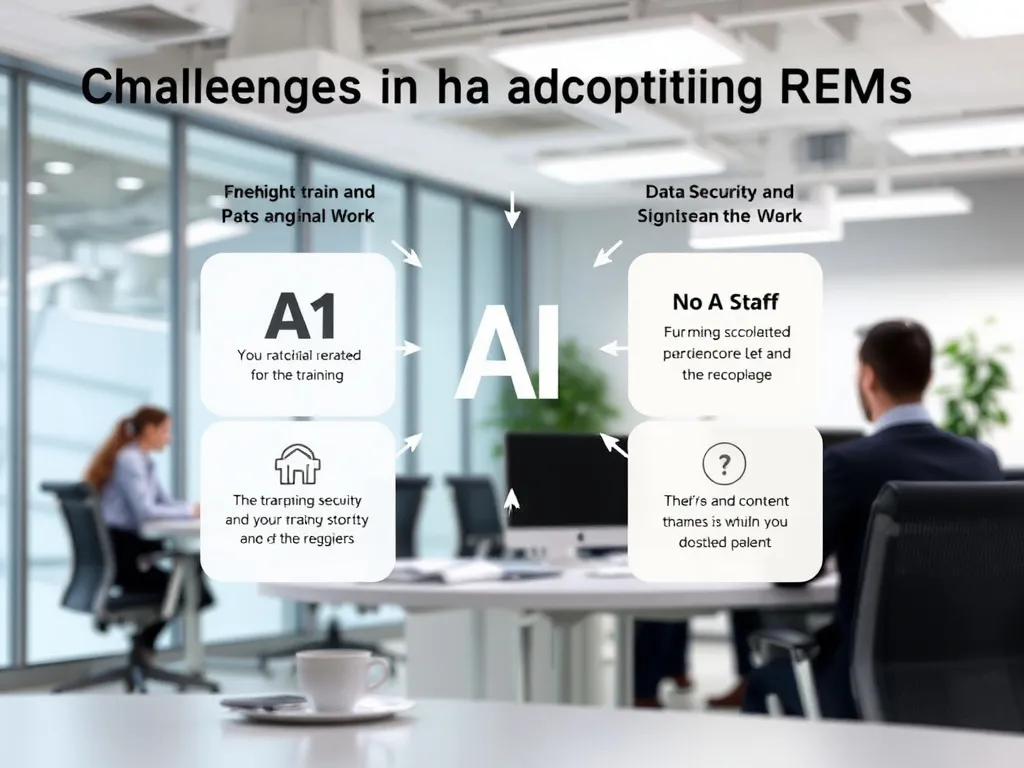
While the benefits of AI are clear, SMEs face challenges in adoption. A primary obstacle is the lack of training and expertise in AI technologies among the SME workforce. Consequently, companies must invest in education and training programs to build the necessary skills. Additionally, cost considerations can be significant, although initiatives such as the Kafalah program offer financial support to ease initial investment burdens. Leaders should evaluate total cost of ownership—not just licenses, but also data preparation, integration, and change management—and adopt phased rollouts with measurable milestones. Selecting vendors with clear exit clauses and data portability reduces lock-in risk, while using well-documented APIs and modular architectures helps future-proof the technology stack.
Data privacy and security are also crucial considerations. SMEs must ensure that AI systems comply with data governance and protection standards to safeguard sensitive financial information. Practical measures include implementing role-based access controls, encrypting data in transit and at rest, and documenting lawful bases for processing under relevant regulations. Establishing an internal oversight mechanism—such as a small data and AI review committee—and maintaining audit trails for model outputs and key decisions improves accountability. Ethical considerations matter as well: explainable outputs and human oversight are essential for credit decisions, fraud flags, and other high-impact use cases, preserving trust with customers, employees, and partners.
Conclusion: Path Forward for Saudi SMEs
As Saudi Arabia embraces Vision 2030, SMEs stand at the forefront of the nation’s economic transformation. Using AI for financial strength equips these enterprises with the tools to not only withstand market shifts but also thrive. By following a structured approach to AI integration and utilizing available resources, SMEs can achieve substantial financial gains. A practical starting plan might cover 90 days: weeks 1–3 to assess processes and data, weeks 4–8 to pilot one focused use case like cash-flow forecasting or invoice automation, and weeks 9–12 to evaluate results and prepare a broader rollout if value is demonstrated.
By adopting AI, SMEs will be better prepared to navigate challenges, seize opportunities, and contribute significantly to the Kingdom’s economic vision. The path forward rewards disciplined experimentation: start small, measure rigorously, involve your people, and scale what works. With thoughtful execution and the right partnerships, AI can become a dependable engine for stronger finances, faster growth, and enduring competitiveness in Saudi Arabia’s dynamic market.
Sources
Frequently Asked Questions
How can AI boost financial strength for Saudi SMEs?
AI enhances financial strength for Saudi SMEs by optimizing operations, improving decision-making, and supporting sustainable growth, aligning with the Kingdom’s Vision 2030 objectives.
What are the advantages of using AI in financial consulting for SMEs?
AI offers advantages such as real-time data analysis, improved risk management, and automation of routine tasks, enabling finance teams to provide proactive insights and enhance operational efficiency.
What practical steps should SMEs take to integrate AI into financial planning?
SMEs should adopt a phased approach, starting with high-impact use cases, validating value through pilots, and assessing current systems to identify areas for meaningful enhancements.
What factors should SMEs consider when choosing AI tools?
SMEs should consider their specific financial needs, the type of AI tools available, deployment options, integration capabilities, and the need for support in both Arabic and English.
How important is data quality for AI implementation in SMEs?
Data quality is crucial for AI performance; SMEs must ensure their data is accurate, clean, and complete, establishing reliable data management practices to support effective AI integration.
What role does employee training play in the successful adoption of AI tools?
Training employees is vital for maximizing AI benefits; SMEs should invest in upskilling staff to effectively use AI-driven tools and support change management during implementation.