

Utilizing ERP for Smooth ZATCA Compliance
In a rapidly evolving business world, financial leaders in Saudi Arabia are under increasing pressure to comply with the Zakat, Tax, and Customs Authority (ZATCA) e-invoicing mandates. As digital transformation speeds up, Enterprise Resource Planning (ERP) systems have become crucial for aligning with ZATCA’s compliance protocols. This article offers a straightforward, step-by-step guide to using ERP systems for ZATCA compliance to enhance audit readiness and boost operational efficiency. Beyond merely meeting a regulatory requirement, the right ERP approach turns e-invoicing into a catalyst for process standardization, data quality improvement, and cross-functional collaboration. It helps finance teams reduce manual reconciliation, equips tax and internal audit with complete and trusted records, and gives leadership real-time visibility into commercial performance. With 2026 approaching as a practical horizon for full maturity, organizations that invest now can stabilize operations, minimize last‑minute remediation costs, and avoid the business disruption that often accompanies compressed compliance projects. In short, integrating ZATCA compliance into your ERP is not just about avoiding penalties—it is about building a robust financial backbone that supports growth, innovation, and customer trust.
Grasping ZATCA Compliance Needs by 2026
ZATCA’s e-invoicing initiative aims to modernize tax compliance, enhance transparency, and reduce tax evasion. It is being introduced in two primary phases. Phase 1, the Generation Phase, focuses on creating electronic invoices. Phase 2, the Integration Phase, requires businesses to connect their systems with ZATCA’s FATOORA platform for real-time submission and clearance. Standard tax invoices typically undergo clearance prior to sharing with the buyer, while simplified tax invoices are reported to ZATCA shortly after issuance. This distinction influences how ERP systems must orchestrate invoice workflows, controls, and acknowledgments. Equally important are the data and document standards: invoices should be machine-readable, contain specific identifiers, and in many cases be presented in XML or embedded XML within a PDF/A‑3 container. By design, these rules foster integrity and interoperability, ensuring that invoices are not just human-readable but verifiable by systems during audits.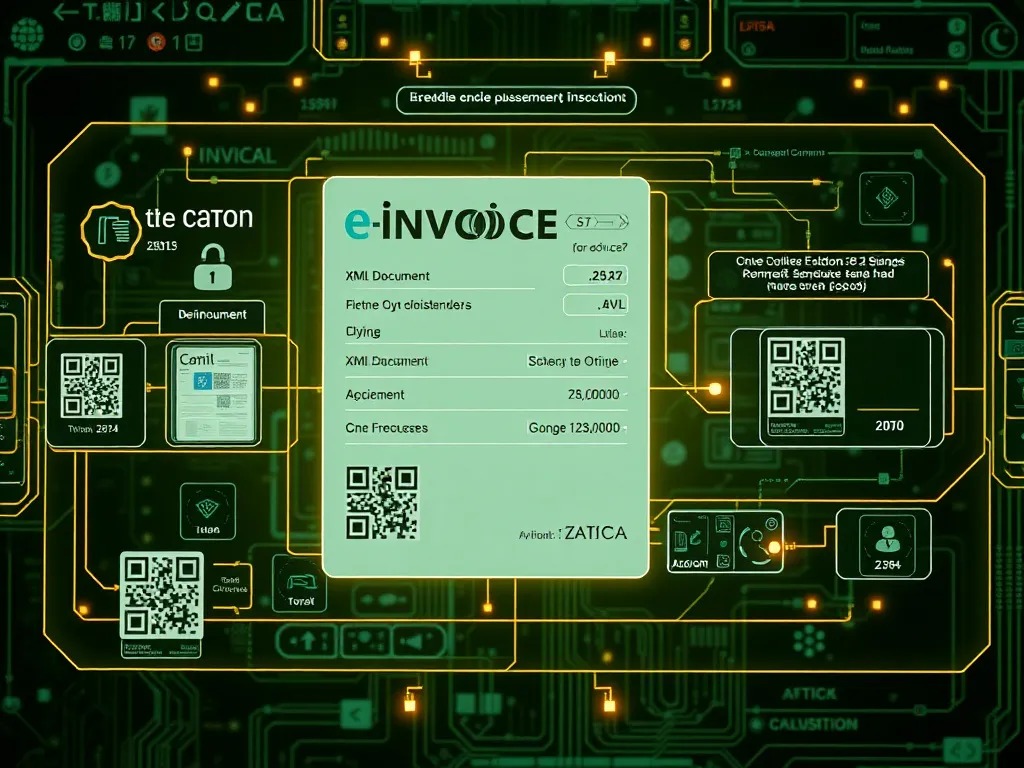
Phase 2, in particular, introduces stricter requirements. Businesses need ERP systems that can fulfill technical and regulatory demands: produce structured invoices in formats such as XML, connect to ZATCA’s API, and maintain secure, tamper-proof records. As the deadline approaches, adopting these measures is vital to stay compliant, minimize risk, and avoid significant penalties. Companies should also be aware of specific elements such as unique invoice identifiers, cryptographic stamps or digital signatures, and QR codes that capture key transaction details. Master data completeness becomes non-negotiable—seller legal name, VAT registration, addresses, and item-level VAT treatments must be accurate and up to date. Archiving obligations further extend the ERP’s role: organizations must retain and safeguard e-invoices and related records for multiple years in a manner that preserves integrity and accessibility for audits. By 2026, the organizations that succeed will be the ones that combine regulatory know‑how with operational excellence: they will have stable integrations, hardened security, formalized procedures for error handling, and a governance model that tracks regulatory changes and translates them into clear, timely ERP updates.
The Role of ERP Systems in Simplifying Compliance Processes
ERP systems are crucial to compliance, automating tax reporting and allowing smooth integration with regulatory platforms. They connect finance, procurement, and sales to manage the VAT lifecycle from start to finish: invoice creation, validation, reporting, and storage in ZATCA-compliant formats. With real-time API connectivity, ERPs submit electronic invoices directly to ZATCA, reducing errors and enhancing efficiency.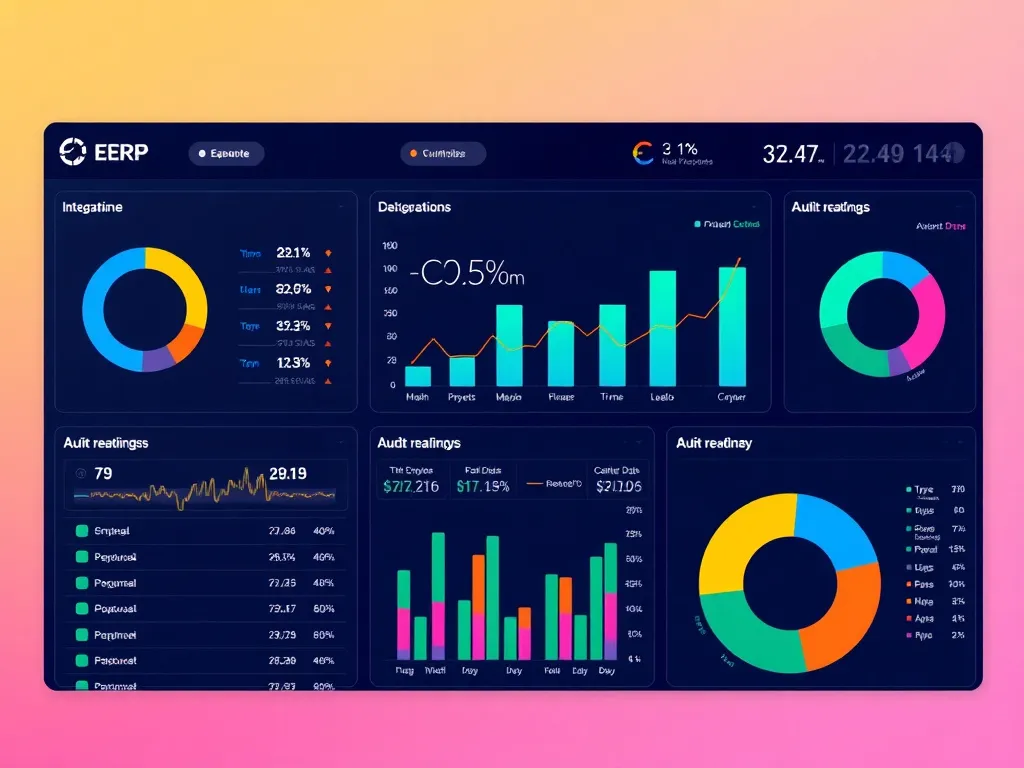 What once relied on manual steps—exporting data, formatting files, and double‑checking entries—becomes an embedded, standardized workflow driven by business rules. This reduces the risk of delays, eliminates duplicated effort, and enables faster period-end close because e-invoicing data is synchronized with the general ledger and subledgers. Moreover, modern ERPs bring built-in validations that check tax codes, VAT treatments (standard, zero-rated, exempt), and currency conversions, ensuring that the math behind each document aligns with published guidelines and company policy. When exceptions occur—like missing buyer VAT IDs or invalid addresses—ERP workflows flag them early so users can resolve issues before they turn into rejected submissions or audit findings.
Robust ERPs also include audit trails, QR codes, digital signatures, and tamper-proof controls. These features support transparency and audit readiness, while automated alerts and corrections highlight issues before submission for proactive compliance. Master data management capabilities ensure that customer and supplier records, product tax categories, and branch registrations are maintained consistently across the organization. Role-based access control and segregation of duties protect sensitive configurations—such as tax rates and certificate materials—from unauthorized changes. For multi-entity groups, the ERP helps centralize oversight while still respecting entity-level numbering sequences and local statutory requirements. Combined, these capabilities transform e-invoicing from a point-to-point technical integration into an enterprise discipline: consistent processes, clean data, secure operations, and measurable performance. By leveraging dashboards and embedded analytics, finance leaders can track clearance rates, resubmission volumes, and aging of pending invoices, giving them the confidence that compliance is sustained, not episodic.
Step-by-Step ERP Integration Process for ZATCA Compliance
The integration can be broken into key steps, each requiring careful planning and execution: start by understanding the regulation and your internal processes, then establish the data and technical foundations, and finally prove reliability through rigorous testing and staged rollout. Throughout, maintain strong change management—communicate objectives, define ownership, and document every critical configuration. Coordinate early with your ERP vendor and implementation partner so that roles are clear: who maps data, who develops APIs, who handles certificates, and who supports go‑live. Crucially, schedule time for non-functional requirements like performance, security, and resilience; these aspects determine how well your solution holds up during peak billing cycles and quarter ends.
- Gap Analysis: Begin by evaluating your current ERP against ZATCA’s requirements. Identify gaps in functionality, connectivity, or compliance capabilities. Review how invoices are currently generated, numbered, approved, and stored. Assess whether your ERP can produce structured XML aligned with the latest e-invoicing schema, embed XML in PDF/A‑3 if applicable, and generate mandatory fields such as unique identifiers and QR code elements. Analyze master data readiness: are buyer VAT numbers, TRNs, and addresses consistently captured? Are item tax categories mapped correctly? Evaluate security posture—access controls, audit logs, and evidence of tamper resistance. Engage process owners from sales, accounts receivable, procurement, and IT security to map end-to-end flows and pinpoint bottlenecks. Finally, review prior audit findings, tax adjustments, and credit/debit note handling to uncover weak points that could cause rejections once submissions are automated. The outcome should be a prioritized remediation plan with timelines, responsibilities, and budget estimates that reflect the 2026 compliance horizon.
- Data Preparation: Ensure your ERP can generate structured invoice data in XML or PDF/A-3. Verify that all required fields and security features align with ZATCA standards. Standardize master data across branches and legal entities, including seller legal names in Arabic and English, VAT registration numbers, and consistent address formatting. Confirm that units of measure, currency codes, and exchange rate logic are harmonized with accounting policies. Validate product and service taxability, ensuring proper VAT rates and exemptions are applied at line level and documented with the correct references. Establish rules for handling discounts, surcharges, freight, and rounding so that invoice totals match exactly the amounts transmitted to the authority. Prepare a catalog of invoice types—standard tax invoices, simplified invoices, credit and debit notes—and define triggers that select the right document type in each scenario. Clean historical data to the extent it influences open orders, returns, or reference documents. Above all, design data quality checks—completeness, accuracy, and consistency—that run before submission and block noncompliant documents until corrected.
- ERP Configuration: Collaborate with your ERP provider to configure the system for seamless integration. This includes API readiness, secure real-time submissions, and robust audit trails. Set up dedicated e-invoicing parameters such as numbering series, invoice categories, QR code generation, and digital signing where applicable. Separate environments for development, testing, and production to protect live operations while you iterate on integration logic. Configure user roles that clearly separate who can create invoices, who can approve them, and who can reprocess rejections, reducing the chance of accidental changes. Implement time synchronization (for example via NTP) to ensure timestamp consistency across environments—a common root cause of signature or validation errors. Activate detailed logging that records payloads, responses, and error codes in a secure repository for diagnostics and audits, while masking sensitive data per security policies. If your ERP supports middleware or message queues, use them to decouple submission from user actions, which improves resilience and user experience during peak load.
- Integration Build and Testing: Develop and test the API integration with ZATCA, ensuring it reliably processes invoice transmission, response handling, and error management. Build idempotent submission logic so that re-sending the same document does not create duplicates. Implement retry strategies with exponential backoff for transient outages, and alerts for repeated failures. Validate clearance workflows for standard invoices and reporting workflows for simplified invoices, including edge cases such as cancellations, returns, and credit/debit adjustments. Create a robust set of test cases: positive scenarios, negative tests (missing fields, incorrect VAT), performance tests under high volume, and failover tests simulating network interruptions. Use the sandbox environment to confirm correct handling of authority responses, including parsing of rejection reasons and automatic routing back to business users with clear guidance. Measure latency from invoice creation to clearance, target success rates, and throughput during peak cycles, and document your acceptance criteria so go‑live confidence is evidence-based rather than assumed.
- User Acceptance Testing (UAT) and Go-Live Readiness: Conduct thorough UAT to confirm all functions operate correctly and the team is well-trained to use the system. Involve end users from sales operations, billing, and finance to validate real-life scenarios across branches and customer segments. Verify that printed and electronic invoice representations match one another and comply with language and content rules. Finalize runbooks describing how to handle rejections, regenerate invoices, or manage returns; include who to contact, expected response times, and escalation paths. Establish monitoring dashboards and alerting in advance of go‑live, and set up a hypercare window with extended support to stabilize operations. Plan your deployment to minimize risk: consider a phased rollout by entity, branch, or customer group, with clear rollback criteria if issues arise. Finally, secure executive sign‑off, communicate cutover timelines to stakeholders, and align with external partners as needed so that all parties are prepared for the transition.
Real-World Examples: Companies Benefiting from ERP and ZATCA Integration
Many organizations have integrated their ERPs with ZATCA’s e-invoicing mandates and experienced significant improvements in compliance and operations. For example, Company XYZ implemented a ZATCA-compliant ERP and achieved a 35% reduction in invoice processing errors, streamlined audit trails, and improved data accuracy. This demonstrates how careful ERP integration can enhance compliance and overall efficiency. A national retailer, after centralizing master data and automating clearance flows, reduced its invoice turnaround time from hours to minutes during peak sales periods, avoiding customer disputes and accelerating cash application. A mid-market distributor used ERP dashboards to track resubmission trends and discovered that most rejections came from a handful of legacy customers with incomplete master data; by fixing those records and adding pre‑submission checks, it cut rejections by more than half within one quarter. A services firm with multiple entities harmonized numbering sequences and tax treatments across branches, which simplified month-end VAT reporting and shaved days off the close. In each case, the common thread was not just technology but disciplined execution: clear ownership, rigorous testing, and ongoing collaboration with their ERP vendor to adopt updates as ZATCA guidance evolved. The operational benefits extended beyond finance—sales teams had fewer invoice disputes, customer service saw lower call volumes, and leadership gained confidence in the integrity of reported revenues.
Best Practices for Maintaining Real-Time Compliance
To maintain ongoing compliance with ZATCA, businesses should follow these best practices: treat e-invoicing as a continuous capability rather than a one-time project, formalize governance to translate regulatory updates into system changes, and track operational KPIs that reveal emerging risks before they become audit issues. Establish a cadence for reviewing integration performance, data quality, and user feedback, and assign cross‑functional accountability for remediation. Proactive monitoring, combined with strong vendor relationships and targeted training, ensures that compliance remains stable as transaction volumes grow, staff changes, or business models evolve.
- Regular System Updates: Keep ERP and e-invoicing systems current to reflect regulatory changes and software enhancements. Assign a process owner to monitor ZATCA announcements, technical specifications, and FAQs, and translate them into a clear change log with due dates. Coordinate with your ERP vendor to understand the release schedule, required patches, and any configuration steps on your side. Before applying updates in production, test them in a non‑production environment using representative data and realistic volumes. Document any new fields, behaviors, or validations introduced by updates, and brief users so they understand what will change. Where possible, align updates with broader IT maintenance windows to minimize downtime and communication fatigue. Finally, maintain version inventory—know which entities and environments are on which versions—so audits and troubleshooting are grounded in accurate, up-to-date information.
- Continuous Monitoring: Use ERP dashboards to track compliance metrics, including transaction completeness, accuracy, and timeliness. Define a concise set of KPIs such as clearance success rate, average submission latency, rejection rate by reason code, and backlog of invoices pending resubmission. Set thresholds and alerts that notify teams when metrics deviate from normal ranges, and route those alerts to both IT and business owners to accelerate root‑cause analysis. Correlate operational events—like network incidents or month-end load spikes—with metric fluctuations to identify structural improvements. Include data quality indicators: percentage of invoices with missing or suspect master data, anomalies in VAT patterns, or sudden shifts in discount application. Review logs of API calls for repeated error codes that suggest configuration drift or external dependency issues. With these insights, run periodic “health checks” and implement small, continuous fixes that keep the integration resilient over time.
- Collaboration with ERP Vendors: Work closely with ERP providers to maintain system adaptability and alignment with evolving ZATCA guidelines. Establish clear service-level expectations for incident response and regulatory updates, and ensure you have access to sandbox environments for early testing. Share your roadmap—planned migrations, new entities, or large campaigns—so the vendor can prepare capacity guidance and advise on best practices. Participate in user groups or advisory councils where available to learn from peers and influence product direction. When regulatory changes are announced, request impact assessments that map requirements to specific ERP modules, configurations, and integration points, and ask for migration paths that minimize rework. Keep communication lines short during critical periods, with named contacts and escalation paths so issues are resolved quickly. This partnership mindset reduces surprises and shortens the time between published guidance and compliant operations.
- Training and Support: Provide ongoing training for users and set up support to address questions and technical issues quickly. Develop role-based curricula—billing clerks, sales operations, finance managers, and IT support need different depths of knowledge. Include hands-on exercises that mirror real scenarios: correcting rejected invoices, issuing credit notes, or updating master data to meet validation rules. Offer quick-reference guides and short videos that users can access on demand. Build a tiered support structure: frontline assistance for common questions, specialized support for integration and security topics, and clear escalation for authority-related inquiries. After major updates or policy changes, run refresher sessions and collect feedback to refine materials. Finally, track training completion and correlate it with key operational metrics; often, spikes in rejections or delays point to knowledge gaps that are resolvable with targeted coaching.
Conclusion: Achieving Compliance and Beyond
By using ERP systems to fulfill ZATCA’s requirements, Saudi Arabian businesses can avoid penalties, optimize financial operations, enhance data integrity, and strengthen audit readiness. As regulations continue to evolve, a strategic approach to ERP integration helps businesses stay ahead, achieving compliance and driving operational excellence. The organizations that thrive will treat e-invoicing as a core competency: standardized processes, reliable integrations, disciplined data governance, and empowered teams. They will leverage compliance investments to improve cash flow by reducing disputes and accelerating collections, and they will unlock sharper analytics that inform pricing, discounting, and customer service strategies. With 2026 on the horizon, now is the time to fine‑tune your ERP, close gaps, and institutionalize best practices. Do this well, and ZATCA compliance becomes more than a mandate—it becomes a dependable foundation for confident growth and sustained competitive advantage in the Kingdom’s dynamic, digitally enabled economy.
